Bagadang Font: The Elegant Calligraphy Typeface for Timeless Design
When selecting a font for a wedding invitation, a boutique logo, or a handcrafted t-shirt design, typography does more than convey words—it evokes emotion, signals intention, and shapes perception. Among the many script fonts available today, Bagadang stands out as a refined, expressive, and highly versatile choice. More than just decorative, Bagadang is a stylish calligraphy font crafted with intention—blending classic elegance with modern usability.
What Is Bagadang?
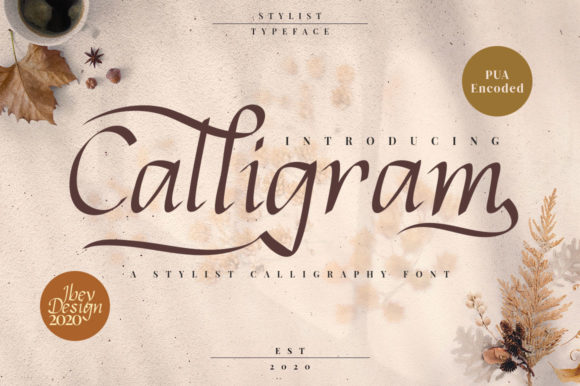
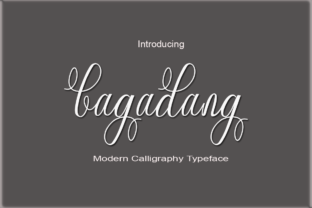
Bagadang is a premium handwritten-style typeface designed to mimic the fluidity and artistry of skilled penmanship. Unlike rigid monoline scripts or overly ornate flourishes that sacrifice legibility, Bagadang strikes a thoughtful balance: its strokes vary in weight, its baseline gently undulates, and its letterforms carry subtle serifs and tapered terminals—hallmarks of traditional calligraphy. These details aren’t accidental; they’re deliberate design choices that lend authenticity, warmth, and sophistication.
Developed by experienced typographers, Bagadang supports Latin-based languages and includes extensive OpenType features—such as contextual alternates, ligatures, and swashes—that allow designers to fine-tune character combinations for natural flow and visual harmony. Whether typed in all caps, sentence case, or mixed with sans-serif pairings, Bagadang adapts gracefully without losing its distinctive voice.
Why Bagadang Works Where Other Scripts Fall Short
Many users assume all script fonts are interchangeable—or worse, that “elegant” means “hard to read.” That’s a common misconception. In reality, effective calligraphy fonts must serve two masters: beauty and clarity. Bagadang excels because it was built with both in mind.
- Varied baseline: Rather than forcing letters onto a rigid horizontal line, Bagadang’s baseline rises and falls organically—just like real handwriting. This variation creates rhythm and visual interest, especially in longer phrases or titles.
- Classic yet contemporary proportions: Letters are neither cramped nor exaggerated. Ascenders and descenders are generous but controlled, ensuring readability at small sizes (e.g., on business cards) while remaining impactful at large scales (e.g., wall signage).
- Elegant touches—not excess: Delicate entry and exit strokes, gentle curves, and balanced spacing avoid the “overly busy” look that plagues low-quality script fonts. The result feels intentional, not automated.
Practical Uses: Where Bagadang Shines
Bagadang isn’t just aesthetically pleasing—it solves real-world design challenges across industries and applications. Here’s where it delivers measurable value:
Wedding & Event Design
From save-the-dates to ceremony programs and thank-you notes, Bagadang brings grace and personalization. Its soft baseline movement mimics the gentle motion of an ink pen—perfect for evoking romance and sincerity. Pair it with a clean serif (like Playfair Display) or minimalist sans-serif (like Montserrat) for contrast that feels curated, not cluttered.
Branding & Logos
Small businesses—especially in lifestyle, wellness, fashion, and artisanal markets—rely on typography to communicate values. A logo using Bagadang signals craftsmanship, attention to detail, and human-centered service. Think of a handmade soap brand, a yoga studio, or a bespoke stationery shop: Bagadang helps them stand out in crowded digital feeds while feeling trustworthy and approachable.
Apparel & Merchandise
T-shirts, tote bags, and mugs benefit from fonts that hold up at multiple sizes and printing methods. Bagadang’s strong stroke contrast and open counters ensure crisp reproduction—even on textured fabrics or screen-printed surfaces. Its personality also invites customization: initials, short affirmations (“Breathe,” “Create,” “Belong”), or poetic phrases gain emotional resonance when set in Bagadang.
Print & Stationery
Letterheads, business cards, and branded envelopes gain instant distinction with Bagadang. Because it reads clearly at 10–12 pt sizes—and retains charm at 24+ pts—it serves dual roles: professional identity and tactile experience. In an era dominated by digital communication, physical touchpoints matter more than ever—and Bagadang makes them memorable.
Bagadang in the Digital Age: Beyond Print
You might wonder: Does a calligraphy font like Bagadang still matter in web-first workflows? Absolutely—and increasingly so. With CSS variable fonts gaining adoption and web font loading optimized via modern frameworks (Next.js, Astro), high-quality display fonts like Bagadang are now viable for hero sections, animated headlines, and interactive SVG text.
Designers use Bagadang in email headers, landing page banners, and social media graphics—not as body copy, but as strategic focal points. Its distinctiveness boosts brand recall in scroll-heavy environments. And thanks to robust web font kits (WOFF2, subset options, fallback strategies), performance remains strong even on mobile devices.
Importantly, Bagadang is not intended for long-form reading (like blog posts or product descriptions). That’s not a limitation—it’s smart specialization. Understanding when and where to deploy Bagadang is part of mastering typographic hierarchy—a foundational skill for any communicator.
Pairing Bagadang Effectively
Great typography thrives on contrast and cohesion. To get the most from Bagadang, consider these pairing principles:
- Contrast weight and structure: Pair Bagadang’s organic curves with a geometric sans-serif (e.g., Inter) or sturdy serif (e.g., PT Serif). Avoid other scripts—they compete rather than complement.
- Respect hierarchy: Use Bagadang for primary headlines or logos only. Let supporting text breathe with highly legible, neutral fonts.
- Test real content: Don’t judge pairings on “Aa” samples alone. Try actual headlines, taglines, and contact info to assess rhythm, spacing, and tone alignment.
Common Questions—Clarified
Is Bagadang free? No—Bagadang is a commercial font. While free alternatives exist, they rarely match its technical precision, language support, or OpenType functionality. Investing in licensed fonts ensures legal compliance, updates, and ethical support for type designers.
Can I use Bagadang for client work? Yes—most licenses include commercial usage rights, including logos, websites, and printed materials. Always verify the specific license terms before deployment.
Is Bagadang accessible? As a display font, Bagadang should never be used for body text or interface labels. For accessibility, reserve it for decorative or headline use only—and always provide sufficient color contrast (minimum 4.5:1 against background) and semantic HTML structure (e.g., Choosing Bagadang isn’t just about picking a pretty font—it’s about choosing a tone, a relationship, and a promise. In a world saturated with generic templates and AI-generated visuals, fonts like Bagadang reaffirm the power of human craft. They remind us that every curve, every space, every connection between letters carries meaning. Whether you're a small business owner crafting your first logo, a wedding planner curating invitations, or a designer refining a brand system, Bagadang offers elegance without pretension, flair without fuss. It doesn’t shout—it invites. It doesn’t distract—it deepens. So the next time you’re selecting a font for something meaningful, ask yourself: Does this reflect who I am—or who I want to be? With Bagadang, the answer is often beautifully, quietly, yes. for headings, not Final Thoughts: Typography as Intentional Communication
🔗 You Might Also Like