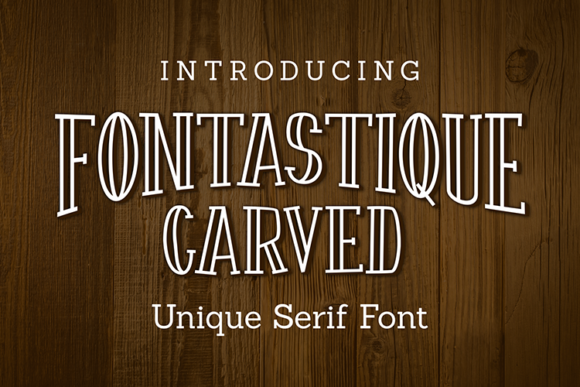
Fontastique: A Fancy & Playful Serif Font
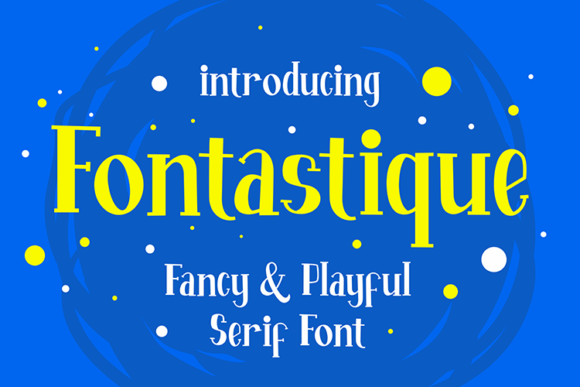
Fontastique is a serif typeface that feels like stepping into a storybook—whimsical, warm, and quietly magical. It’s not overly ornate, but it carries charm in its curves, personality in its contrast, and a gentle rhythm that makes reading feel effortless—even at small sizes. Designed with intention, Fontastique draws inspiration from the colors of the magical world: think twilight purples, mossy greens, soft golds, and hazy blues—not literally in color, but in mood and texture. That sense of wonder translates directly into its letterforms.
Why Designers and Creators Love Fontastique
What sets Fontastique apart isn’t just how it looks—it’s how it works. Its playful yet refined serifs give it presence without shouting. The x-height is generous, so lowercase letters stay legible and friendly. Capitals have subtle flair—just enough to catch the eye, never enough to distract. And because it balances personality with clarity, Fontastique bridges the gap between expressive design and everyday usability.
For someone choosing a font for the first time—or even a seasoned designer refreshing a brand—Fontastique offers something rare: versatility without compromise. It doesn’t try to be everything, but it does many things well. That makes it especially valuable for people who need one font to serve multiple roles across digital and print projects.
Where Fontastique Shines (and Why)
Because of its expressive character and clean structure, Fontastique works beautifully in contexts where tone matters as much as readability:
- Quotes and social media graphics: Its gentle elegance helps words land with warmth—ideal for Instagram captions, Pinterest quotes, or newsletter headers.
- T-shirt designs and merchandise: Letters hold up well on fabric, and the font’s friendliness invites connection—whether it’s a witty phrase on a tote bag or a heartfelt message on a kids’ tee.
- Flyers and event posters: Fontastique adds visual interest without overwhelming information. Pair it with a simple sans-serif for body text, and your layout feels balanced and intentional.
- YouTuber branding: Channel names, intro titles, and thumbnail text benefit from its distinct voice—especially for creators in lifestyle, education, or creative fields who want to stand out while staying approachable.
- Labels and packaging: Small batches of artisanal goods—like handmade soap, specialty tea, or local honey—gain instant charm with Fontastique on their labels.
- Logos and wordmarks: It’s particularly effective for businesses with a handcrafted, boutique, or storytelling focus—think independent bookshops, cozy cafés, or wellness studios.
It’s also surprisingly adaptable in educational settings. Teachers use Fontastique for classroom posters or student handouts when they want materials to feel inviting—not sterile. Freelancers building brand kits for clients appreciate how easily it pairs with neutral fonts for hierarchy and contrast.
What to Keep in Mind Before Using Fontastique
Like any thoughtful tool, Fontastique works best when matched to the right task. Here are a few practical considerations:
- It’s not a workhorse for long paragraphs. While highly readable in short bursts, Fontastique shines most in headings, titles, and accent text—not dense body copy. For longer text, pair it with a clean, open sans-serif or a more neutral serif.
- Test spacing carefully. Its playful nature means letter spacing and line height can make or break legibility—especially at smaller sizes or on screens. Always preview in context, not just in a font menu.
- Check licensing early. Fontastique is designed for both personal and commercial use, but always verify the license covers your specific project—especially if you’re using it in a product you’ll sell (like a printable planner or digital course).
- Think about contrast. Because it leans elegant rather than bold, Fontastique benefits from strong background contrast—deep navy on cream, charcoal on off-white, or even rich forest green on parchment paper. Avoid pairing it with busy patterns or low-contrast combinations.
Simple Ways to Get Started
If you're new to working with expressive fonts, start small. Try replacing the title font in a Canva flyer or swapping the heading font in your next blog post draft. Notice how the tone shifts—not dramatically, but meaningfully. Does it feel more personal? More memorable? That’s Fontastique doing its job.
For t-shirt designers: sketch a phrase first, then set it in Fontastique at different weights. You’ll quickly see which version holds up best on fabric—and which feels most true to your brand voice.
Bloggers and educators might use Fontastique for section dividers or pull quotes. Even a single line styled this way adds visual breathing room and draws attention to key ideas—without needing extra graphics.
And if you're building a logo? Try setting your business name in Fontastique alongside a simple icon or monogram. Its serifs carry quiet confidence, and its playfulness keeps things human—not corporate or cold.
A Font That Grows With You
One of the quiet strengths of Fontastique is how it supports growth—not just in skill, but in vision. A hobbyist making greeting cards today might use it for joyful, hand-lettered vibes. That same person, launching a small business tomorrow, can scale that same font into packaging, website headers, and email signatures—keeping their visual identity cohesive and authentic.
It doesn’t demand expertise to use well. You don’t need advanced typography knowledge to get great results. Just an eye for balance, a bit of testing, and a willingness to let the font speak for itself.
Fontastique reminds us that good design isn’t about complexity—it’s about resonance. When a font feels *right*, it lifts the message it carries. Whether you're writing a quote that sparks reflection, designing a label that invites curiosity, or launching a channel that shares your passion, Fontastique gives your words texture, warmth, and a touch of magic—no wand required.